Abu Dhabi Landlord Guide: Property Management
A practical guide to how property management helps Abu Dhabi landlords protect their property, support tenants and manage rentals more efficiently.

Owning a rental property in Abu Dhabi can provide strong long-term value, but managing it effectively requires time, organisation, tenant coordination, maintenance follow-up and an understanding of the local rental process.
Professional property management can help landlords protect their property, maintain rental income and create a smoother experience for both the owner and tenant.
This guide explains the key responsibilities involved in managing a rental property in Abu Dhabi and how property management services can support landlords throughout the tenancy.
What Is Property Management?
Property management is the ongoing management of a rental property on behalf of its owner.
Depending on the service provided, property management can include:
Tenant communication
Rent collection and payment tracking
Maintenance coordination
Property inspections
Lease renewal support
Tenancy documentation
Move-in coordination
Move-out inspections
Key and access management
General landlord support
For landlords who live outside the UAE, own multiple properties or simply do not have time to manage their property directly, professional management can make the process considerably easier.
Why Property Management Matters for Abu Dhabi Landlords
Managing a rental property involves much more than collecting rent.
Landlords must keep track of tenancy contracts, payments, maintenance responsibilities, tenant requests, renewals, official registration and property handovers.
In Abu Dhabi, tenancy contracts are registered through Tawtheeq, with lease-related services available through the DARI digital real estate ecosystem.
A professional property management service can help ensure that important tasks are organised and followed up correctly throughout the tenancy.
1. Tenant Management
Clear communication between the landlord and tenant is an important part of a successful tenancy.
A property manager can act as the main point of contact for the tenant and manage day-to-day communication on behalf of the owner.
This can include:
Responding to tenant enquiries
Handling maintenance requests
Coordinating property access
Scheduling appointments
Following up on outstanding matters
Communicating landlord instructions
Providing tenancy-related support
Having one dedicated point of contact can make communication more efficient for both the landlord and tenant.
2. Rent Collection and Payment Tracking
Managing rental payments requires accurate records and regular follow-up.
Property management services can help landlords:
Track rental payment dates
Maintain payment records
Follow up on upcoming payments
Monitor overdue payments
Keep copies of payment confirmations
Update the landlord on payment status
Keeping organised financial records also makes it easier to manage the property over the course of the tenancy.
3. Maintenance Coordination
Maintenance is one of the most important aspects of rental property management.
When an issue occurs, the property manager can coordinate between the tenant, landlord and relevant maintenance provider.
This may include:
Receiving maintenance requests
Assessing the nature of the issue
Contacting approved service providers
Arranging access to the property
Coordinating repair appointments
Following up on completed work
Maintaining maintenance records and invoices
Abu Dhabi's lease regulations address landlord and tenant responsibilities relating to repairs and maintenance, making it important for both parties to understand their respective obligations.
4. Property Inspections
Regular inspections can help landlords monitor the condition of their property and identify maintenance concerns before they become larger problems.
Property inspections may be carried out:
Before a tenant moves in
During the tenancy
Before lease renewal
Before a tenant moves out
Inspection records, photographs and condition reports can also provide useful documentation throughout the tenancy.
5. Lease Renewal Support
Tracking tenancy expiry dates is essential for landlords who want to avoid last-minute renewal issues.
A property manager can help:
Monitor contract expiry dates
Contact tenants before renewal
Coordinate renewal discussions
Prepare required documentation
Support the renewal process through DARI
Maintain updated tenancy records
DARI provides an online service for renewing tenancy contracts in Abu Dhabi.
As stated in ADREC's announcement dated 3 June 2026, residential, commercial and industrial tenancy contract renewals in Abu Dhabi are subject to a temporary 0% rent increase measure for the duration of that measure.
Landlords should always review the regulations and requirements applicable at the time of renewal.
6. Move-In Coordination
A well-organised move-in process helps establish a clear record of the property's condition from the beginning of the tenancy.
Property managers can help coordinate:
Property handover
Key collection
Access cards
Parking cards
Building or community move-in permits
Tenant documentation
Initial property inspections
Condition reports
It is also useful to photograph or document the property before the tenant moves in.
7. Move-Out Coordination
At the end of the tenancy, the property should be inspected and formally handed back to the owner.
Property management support can include:
Scheduling the move-out inspection
Reviewing the property's condition
Comparing the condition with the original move-in report
Recording maintenance or repair requirements
Collecting keys and access cards
Coordinating final handover
Organising relevant tenancy documentation
A clear move-out process can reduce disputes and help prepare the property for its next tenant.
8. Documentation and Compliance
Landlords should maintain organised records throughout the tenancy.
Important documents can include:
Tenancy contract
Tawtheeq records
Tenant Emirates ID copy
Tenant passport copy
Rental payment records
Security deposit records
Maintenance invoices
Property inspection reports
Move-in and move-out documentation
Renewal records
Property management agreements
DARI also provides services relating to the registration, renewal, amendment and cancellation of property management agreements.
Keeping documentation organised can make future renewals, disputes, maintenance enquiries and property handovers easier to manage.
What Landlords Should Prepare for Property Management
Before handing a property over to a professional management team, landlords should prepare the main documents and property information.
This may include:
Title deed or proof of ownership
Emirates ID
Passport copy
Power of attorney, where applicable
Existing tenancy contract, if the property is already rented
Tenant contact details
Property keys
Building or community access cards
Parking details
Floor plan, where available
Maintenance history
Service charge information, where applicable
Utility information
Community or building management contact details
Having these records available from the beginning can make the property management setup more efficient.
Benefits of Professional Property Management
Professional property management can provide several benefits for landlords.
It can help owners:
Save time
Reduce day-to-day tenant management
Maintain clearer communication
Keep the property properly maintained
Track rent payments more efficiently
Manage tenancy renewals
Organise important documentation
Coordinate maintenance and inspections
Reduce unnecessary vacancy periods
Protect the condition of the property
Manage properties while living outside the UAE
For landlords with several investment properties, professional management can also provide a more structured way to oversee the entire portfolio.
Keep reading
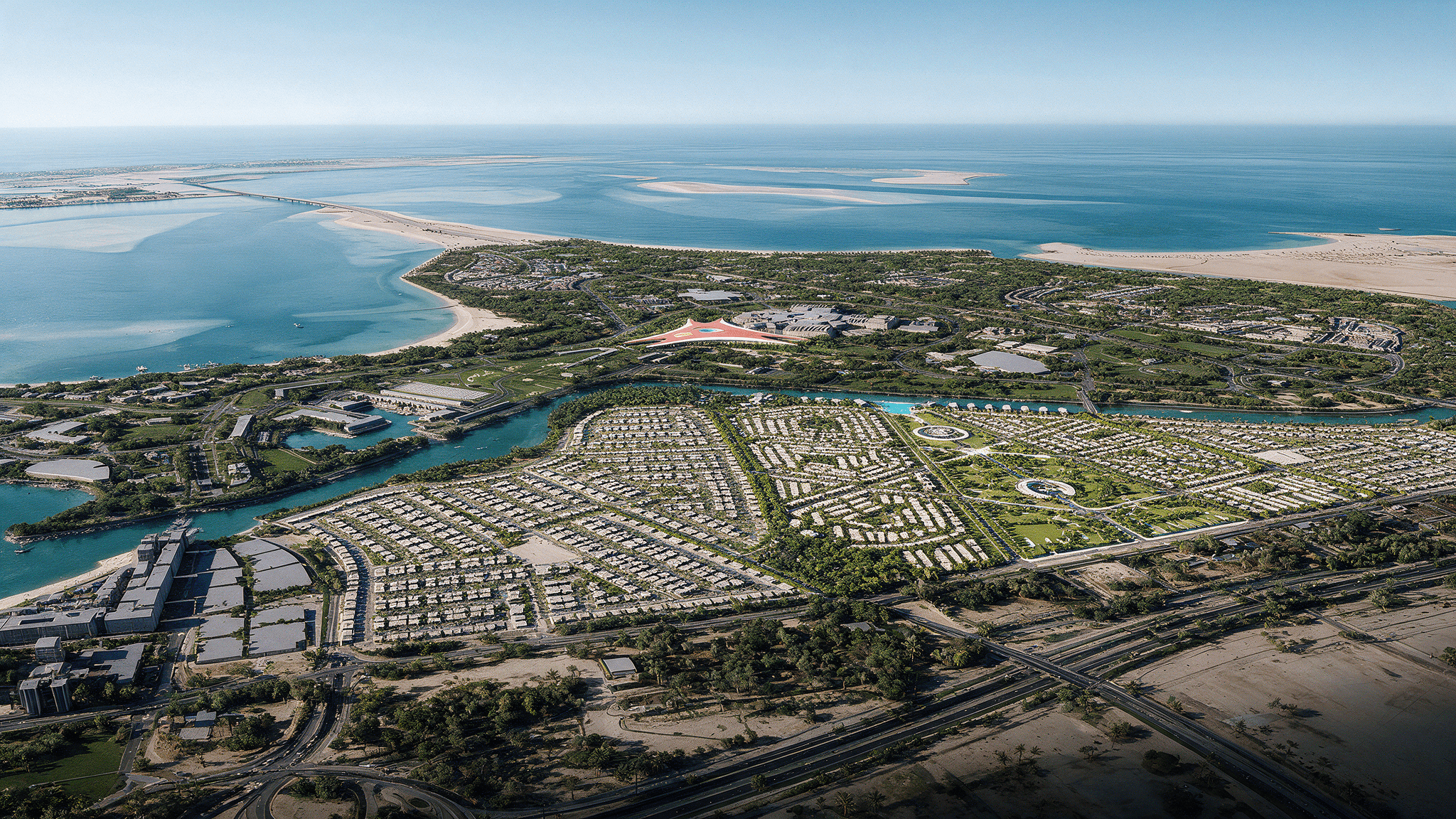
Ohana Development Launches Phase Two of Manchester City Yas Residences in Abu Dhabi

UAE Turns Quality of Life into a Powerful Driver of Economic and Real Estate Growth